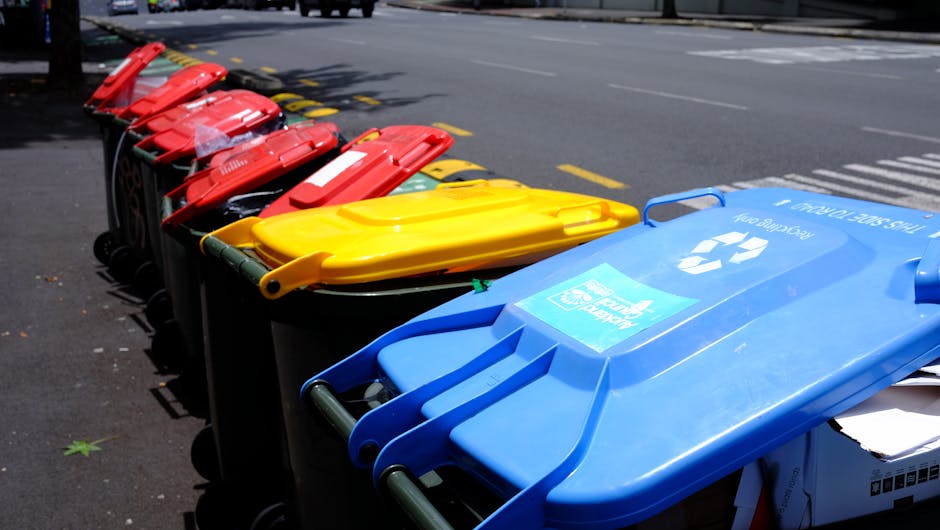
Aldgate East estate rubbish collection guide for residents
If you live on an estate near Aldgate East, rubbish collection can feel simple one day and oddly complicated the next. One missed pickup, one blocked bin store, or one bulky item left in the wrong place, and suddenly the whole block feels it. This Aldgate East estate rubbish collection guide for residents breaks it all down in plain English: how estate collections usually work, what residents need to do, common mistakes to avoid, and how to keep shared waste areas clean, safe, and manageable. It is written for everyday life, not perfect theory.
Truth be told, estate waste works best when everyone does a few small things consistently. Put the right bag in the right place. Fold down boxes. Keep the bin store clear. Sounds basic, but that is usually where the difference is made.
Whether you are a long-term leaseholder, a tenant moving in for the first time, or a managing agent trying to reduce complaints, the guidance below will help you make better decisions and avoid the most common headaches.
Table of Contents
- Why Aldgate East estate rubbish collection guide for residents Matters
- How Aldgate East estate rubbish collection guide for residents Works
- Key Benefits and Practical Advantages
- Who This Is For and When It Makes Sense
- Step-by-Step Guidance
- Expert Tips for Better Results
- Common Mistakes to Avoid
- Tools, Resources and Recommendations
- Law, Compliance, Standards, or Best Practice
- Options, Methods, or Comparison Table
- Case Study or Real-World Example
- Practical Checklist
- Conclusion
- Frequently Asked Questions
Why Aldgate East estate rubbish collection guide for residents Matters
Estate rubbish collection is not just about getting waste out of sight. In a busy part of London like Aldgate East, it affects hygiene, fire safety, pest control, building appearance, neighbour relations, and even how smoothly day-to-day estate management runs. A tidy bin area can make a building feel calmer. A messy one can do the opposite very quickly.
For residents, the biggest issue is usually shared responsibility. On a private street or a single-family home, waste habits stay fairly contained. On an estate, however, one careless bag can affect dozens of people. Overflowing bins, recycling contamination, and bulky waste left in corridors or by bin chutes can create extra work for cleaners and managing agents, and, frankly, extra irritation for everyone else.
There is also a practical side. If collections are missed because waste is not presented correctly, the problem tends to cascade: bags pile up, smells build, gulls or rats appear, and the bin store becomes unpleasant to use. Nobody enjoys that walk past the bins on a wet evening when the air smells stale and food waste has started to break down. Not exactly ideal.
Good estate waste habits also support sustainability. When residents separate recycling properly, flatten cardboard, and keep food waste out of dry recycling, more of the material can be processed as intended. If you want to see how environmental thinking connects with day-to-day service standards, the site's recycling and sustainability approach is a useful place to start.
Key point: on estates, waste collection works best when residents treat the bin store like a shared service space, not an afterthought.
How Aldgate East estate rubbish collection guide for residents Works
Most estate rubbish systems follow the same basic pattern. Residents produce waste inside their homes, sort it into the correct streams, and place it into the designated communal bins, chutes, compactors, or collection points. A contractor or council collection service then empties or removes that waste on a scheduled basis.
The exact arrangement depends on the building. In one block, you may have large wheelie bins in a locked store. In another, you may use a chute for general waste and separate bins for recycling. Some estates have a cleaner or caretaker who moves bins to the collection point. Others rely on residents to present their own waste correctly on the right day. There is no single setup, and that is why residents need building-specific instructions.
What matters most is consistency. If your estate asks for rubbish to be bagged, bag it. If cardboard needs to be broken down, break it down. If food waste goes in a separate caddy, keep it separate. These small habits reduce contamination and help the whole system run more smoothly. Small thing, big difference.
In practice, the collection process usually has four stages:
- Sort at home. Put general waste, dry recycling, and food waste into the correct containers.
- Store safely. Keep bags sealed and do not leave them in hallways, stairwells, or on fire routes.
- Present properly. Use the correct bin store, chute room, or collection point at the right time.
- Remove overflow responsibly. If an item is too large for the normal bins, arrange a separate bulky waste solution rather than forcing it in.
For residents who ever need a larger clear-out, it helps to understand the difference between regular estate collection and a one-off removal. That is where a planned collection or clearance service can complement routine waste management. If you are comparing options, the pricing and quotes information can help you understand how professional support is usually approached.
Key Benefits and Practical Advantages
When estate rubbish collection is managed well, the benefits are immediate and very visible. You do not need a spreadsheet to notice the difference. The bin store smells better, the route to the lift feels less grim, and the whole place looks cared for.
- Cleaner shared areas: Fewer loose bags, fewer spills, and less waste on the floor.
- Lower pest risk: Properly sealed waste reduces attraction for rats, flies, and gulls.
- Better fire safety: Clear corridors and stairwells reduce obstruction risks.
- Improved recycling performance: Correct sorting keeps recyclable material from being rejected.
- Less neighbour conflict: Fewer complaints about smell, overflow, or missed responsibility.
- Smoother management: Cleaners, caretakers, and managing agents spend less time chasing avoidable issues.
There is also a psychological benefit that gets overlooked. When residents see a clean, orderly waste area, they tend to treat it more carefully. It creates a subtle standard. People follow the tone of the space. A tidy bin store quietly encourages tidier behaviour. Funny how that works, but it does.
From a practical point of view, this also helps if your building has frequent visitor traffic, deliveries, or short-term lets. Shared waste areas can become chaotic quickly when people are not familiar with the building's rules. Clear collection habits help everyone, including the people who only learn the system the hard way after carrying the wrong bag down three flights of stairs.
Who This Is For and When It Makes Sense
This guide is useful for a wide mix of people in Aldgate East and the surrounding area. If you live in a managed block, converted building, or larger estate, you are likely dealing with some form of shared rubbish arrangement already.
Residents who benefit most
- Tenants who are new to the building and need to learn where waste goes
- Leaseholders who want to avoid service charge disputes or nuisance issues
- Families producing more household waste and recycling than average
- Residents with bulky items after moving, redecorating, or replacing furniture
- People sharing a flat where waste habits are not always consistent
When the guidance really matters
This becomes especially useful when:
- bin stores are frequently overflowing
- you notice contamination in recycling bins
- bulky items are being left beside shared containers
- there are repeated complaints about smell or pests
- the estate has changed contractor, caretaker, or collection routine
- you are moving in and want to avoid making a bad first impression
To be fair, people often only search for waste advice after something has already gone wrong. A blocked bin chute at 8 a.m. is usually a strong motivator. But this guidance is just as useful before problems start, especially if you are trying to keep shared living calm and organised.
If you want to understand the wider business behind safe, well-managed service delivery, the company's about us page gives helpful context on the team and the way it approaches local service work.
Step-by-Step Guidance
Here is a practical step-by-step approach you can follow on most estates. It is simple, but it works.
1. Check the estate's waste rules
Start with the building's own instructions. Some estates separate general waste, mixed dry recycling, cardboard, glass, and food waste. Others have a more limited system. Look for notices in the bin store, welcome pack, email guidance from the managing agent, or resident handbook. If the rules are unclear, ask before guessing.
2. Sort waste at home
Before you leave the flat, split waste into its proper streams. Food waste should be separated if your estate provides a caddy or dedicated collection. Dry recycling should be clean and loose if requested. Cardboard should usually be flattened. A little prep at home saves a lot of mess downstairs.
3. Bag general waste securely
General household rubbish should be tied or sealed so it does not leak. Wet waste is the one that causes the worst smell, especially in warmer weather or after a delayed pickup. If a bag tears on the way down, it can spread along the corridor or stairwell before anyone notices.
4. Use the correct collection point
Only place waste where the building allows it. That may be a designated bin store, a refuse room, a chute, or a presentation point outside at a specific time. Do not leave bags beside bins if containers are full. That is how fly-tipping begins on a small scale.
5. Keep access routes clear
Bin stores, fire exits, and communal hallways should never become temporary dumping grounds. If a bin route is blocked, report it quickly to the appropriate building contact. Shared areas need to stay passable, especially in emergency situations.
6. Handle bulky items separately
Old chairs, wardrobes, mattresses, and appliances should not be forced into estate bins. These items need their own plan. If your building does not offer a bulky waste collection, arrange a separate removal option rather than leaving the item beside the bin store "for now". That "for now" can last a surprising amount of time.
7. Watch the result and adjust
If the bin store is often full, the schedule may need more frequent emptying or better resident communication. If recycling keeps getting contaminated, the issue may be signage, not laziness. Sometimes a small change, like adding clearer labels or moving a bin a metre or two, makes the system far easier to use.
Expert Tips for Better Results
After enough time around shared waste areas, a few patterns become obvious. The best-performing estates are not necessarily the most expensive or the newest. They are the ones where expectations are clear and the physical setup is easy to understand.
- Make the right thing easy: If recycling bins are hidden, unlabeled, or hard to open, contamination goes up. Good signage helps, but layout matters too.
- Keep food waste separate: This is one of the most effective ways to cut smell and improve hygiene in communal stores.
- Use sturdy liners if permitted: Thin bags split more easily. A split bag is a nuisance nobody wants to deal with at 7.30 in the morning.
- Check collection timing carefully: Missing the window can leave rubbish sitting out overnight, which is often when mess and pests become a problem.
- Do quick visual checks: If you notice a recycling bin with obvious contamination, report it early instead of letting the issue build.
- Plan moving days and clear-outs: Estate bins are rarely designed for a full flat clear-out. Schedule a separate removal if you are reducing clutter, replacing furniture, or moving house.
A useful rule of thumb: if you would not be happy to see the item left beside your own front door, it probably does not belong in a communal bin area either. Simple, but effective.
If you are using a professional team for a larger clearance or follow-up tidy-up, check that their service standards align with safe handling and transparent communication. The company's health and safety policy and insurance and safety information are both useful trust points when you are comparing providers.
Common Mistakes to Avoid
Most estate waste problems do not start with bad intentions. They start with small shortcuts. One bag left downstairs because "I'll take it out tomorrow." One cardboard box not flattened because "it will fit." One half-full bin used as if it were empty. The effect compounds very quickly.
- Leaving rubbish in corridors: This creates smell, obstruction, and fire risk.
- Putting the wrong waste in recycling: One contaminated load can affect the whole bin.
- Overfilling bins: Lids that cannot close attract pests and make collections harder.
- Ignoring bulky items: These should not be abandoned near shared bins.
- Assuming someone else will sort it out: On estates, "someone else" is usually already busy.
- Not reporting recurring issues: If the same problem keeps happening, it may need a management fix, not just resident reminders.
Another common one is using bin stores like a temporary storage room. A few boxes here, a broken lamp there. Before long, the area stops feeling like a service space and starts feeling like a dumping ground. Once that happens, standards usually slip further.
Tools, Resources and Recommendations
You do not need specialist equipment to manage rubbish well, but a few everyday tools make the job easier. Nothing fancy. Just practical things that reduce effort and mess.
| Tool or resource | Why it helps | Best used for |
|---|---|---|
| Strong bin bags | Reduces splitting and leakage | General household waste |
| Recycling labels or signs | Makes sorting easier for residents and guests | Communal bin stores |
| Folded cardboard stack | Saves space and prevents overfilling | Boxed deliveries and packaging |
| Food waste caddy | Keeps odour down and improves separation | Kitchen food scraps |
| Basic gloves | Useful for handling messy items safely | Minor cleanup tasks |
| Resident handbook or building notice | Sets expectations clearly | New moves, new tenants, rule refreshers |
For residents who need more than routine disposal, it helps to know where professional support fits in. A one-off clearance, post-move tidy-up, or removal of awkward items may be more efficient than trying to squeeze everything into communal bins over several weeks. If you are weighing that up, the site's recycling and sustainability guidance and pricing and quotes page are relevant next steps.
One more practical recommendation: keep a simple note in your phone about your estate's collection days and bin locations. It sounds almost too basic to mention, but in real life, that little reminder saves a surprising amount of hassle.
Law, Compliance, Standards, or Best Practice
Waste handling on estates is shaped by a mix of common-sense hygiene, building rules, and general UK waste management expectations. The exact obligations vary depending on who manages the property, what type of building it is, and whether collections are handled by the local authority or a private contractor. So it is best to stay careful rather than assume one rule fits every block.
In general, residents should follow the estate's published instructions, avoid obstructing communal areas, and separate waste as required by the building or collection service. Managing agents and landlords usually have a responsibility to provide clear information and maintain shared areas appropriately, while residents should use the facilities properly and report problems promptly. Simple partnership, really.
Health and safety matters too. Loose waste can create slip hazards, blocked access points, and hygiene issues. If any collection activity involves moving heavy items, working in shared spaces, or handling awkward furniture, safe lifting and clear routes are important. That is one reason service providers should be able to explain how they work. For further reassurance, the site's terms and conditions and privacy policy can help you understand how services are structured and how information is handled.
Practical best practice: if a waste issue could affect fire routes, hygiene, or pest control, treat it as urgent rather than "next week's problem".
Options, Methods, or Comparison Table
Residents usually have three broad ways to manage estate rubbish beyond the normal day-to-day bin routine. Each has its place, depending on the volume and type of waste.
| Method | Best for | Pros | Limitations |
|---|---|---|---|
| Routine communal collection | Standard weekly household waste and recycling | Simple, familiar, low effort | Not suitable for bulky or excess items |
| Resident-led tidy-up | Small clears, reorganising a flat, light decluttering | Flexible and immediate | Can be time-consuming and messy without planning |
| Professional clearance support | Bulky items, large volumes, move-out cleanups | Efficient, safer for heavy objects, less strain on residents | Needs scheduling and may involve cost |
For most people, the right answer is a mix. Use the communal system properly for everyday waste. Use a careful tidy-up for small jobs. And when the job becomes too large, awkward, or time-sensitive, consider professional help rather than forcing the issue. That way, the estate bins stay usable for everyone else too.
Case Study or Real-World Example
A typical scenario goes like this. A resident in an Aldgate East estate has just finished a weekend clear-out. There are a few bags of general rubbish, several cardboard boxes from new storage furniture, and one old chair that will not fit anywhere near the bin store. The temptation is to take everything down in one go and hope for the best. Happens all the time.
Instead, the better approach is to split the job. Cardboard is flattened and placed in the correct recycling stream. General rubbish is bagged securely and placed in the normal bin. The chair, which is too large for the communal containers, is set aside for a separate removal. The bin store remains clear, neighbours are not inconvenienced, and there is no late-night scramble because the container lids will not close.
Now compare that with the other version. The chair is dumped beside the bins. One cardboard box is left unflattened. A bag leaks. By the next morning, the area smells worse, someone posts a complaint, and the caretaker has to spend time cleaning up the mess before collections can even be managed. Same amount of waste, very different outcome.
The difference is not dramatic. It is just orderly versus improvised. And in estates, orderly usually wins.
Practical Checklist
Use this quick checklist before taking waste out to a communal estate area:
- Have I sorted general waste, recycling, and food waste correctly?
- Are all bags sealed securely?
- Have I flattened any cardboard boxes?
- Am I using the correct bin store or collection point?
- Is the container already full or nearly full?
- Am I leaving anything in a hallway, stairwell, or fire route?
- Does this item count as bulky waste rather than normal rubbish?
- Have I checked the estate's instructions for collection times?
- If there is a problem, have I reported it to the right contact?
If you can tick most of those off, you are already ahead of the curve. Really.
Conclusion
Estate rubbish collection in Aldgate East works best when residents keep things simple, consistent, and considerate. Follow the building rules, use the right bins, keep shared spaces clear, and deal with bulky items properly instead of hoping they will disappear by magic. That is the heart of it.
For residents, this is not just about cleanliness. It is about making shared living easier, safer, and less stressful. For managing agents and landlords, it is about reducing avoidable problems before they grow teeth. And for the estate as a whole, it means a more pleasant place to live, day after day.
If you are facing a larger clear-out, a blocked bin area, or a situation that goes beyond normal household disposal, it is sensible to plan ahead rather than leave it to chance. A little preparation now often saves a lot of hassle later.
Get a free quote today and see how much you can save.
And if you are simply trying to keep things running smoothly, that is worth doing too. A tidy bin store may not be glamorous, but it quietly improves life for everyone who passes through it.
Frequently Asked Questions
What is an estate rubbish collection guide for residents?
It is a practical guide explaining how residents should sort, store, and present waste in a shared estate environment. It usually covers general rubbish, recycling, food waste, bulky items, and the rules for bin stores or collection points.
Why do Aldgate East estates need different rubbish rules from houses?
Shared buildings rely on communal spaces and coordinated collections, so one resident's habits affect everyone else. The rules help prevent overflow, contamination, smells, pests, and access problems in shared areas.
What should I do if the communal bins are full?
If the bins are full, do not leave bags beside them unless the estate specifically allows it. Report the issue to the managing agent, caretaker, or building contact as soon as possible so the collection arrangement can be checked.
Can I put cardboard in the recycling bin if it is greasy?
Usually not, if it is heavily contaminated. Lightly soiled packaging may sometimes be acceptable depending on the building's instructions, but greasy food-stained cardboard is often rejected by recycling systems.
What counts as bulky waste on an estate?
Bulky waste is anything too large for normal bins, such as mattresses, wardrobes, sofas, chairs, and some appliances. These items normally need a separate collection or removal plan.
Is it okay to leave rubbish in the corridor for a short time?
No, not really. Corridors and stairwells should stay clear because they are shared access routes and may be part of fire escape paths. Even a short delay can become a safety issue.
How can I reduce smells in a shared bin area?
Seal bags properly, keep food waste separate, avoid leaving loose waste outside the bins, and report missed collections quickly. In warmer weather, even a small amount of uncovered waste can smell surprisingly fast.
What if my flatmates do not follow the rules?
Start with a calm reminder and show them the building instructions if you have them. If the problem continues, it may be worth asking the managing agent for clearer signage or resident guidance. Shared systems work best when the rules are visible.
Do I need professional help for a small flat clear-out?
Not always. If the volume is modest, you may be able to handle it yourself through the normal bins and one or two scheduled trips. If you have furniture, heavy items, or lots of bags, professional support can save time and reduce strain.
How do I know whether a waste service is trustworthy?
Look for clear information about pricing, safety, insurance, and terms. A trustworthy provider should explain how they work, how they handle waste responsibly, and what you can expect before any job begins.
What should I do if the bin store feels unsafe or unhygienic?
Report it promptly to the building contact or managing agent. If there is spillage, obstruction, broken equipment, or signs of pests, it should be treated as a maintenance and safety issue, not just an inconvenience.
Where can I find more information about the company's policies?
You can review the site's health and safety policy, insurance and safety information, complaints procedure, and contact page for further support and next steps.